
Manufacturing
From sand to pallet, industrial expertise.
A glass jar or bottle is born from four mineral raw materials, a furnace at over 1,500 °C and checks at every stage. Here is how the containers we deliver are made.
Glass is made of sand, soda ash, limestone and recycled glass. Inert, impermeable and infinitely recyclable, it is the benchmark packaging for food products.
The process
Seven stages, one constant standard.
Making a glass container is a continuous process: a glass furnace runs day and night for years. This continuity is what makes production runs consistent.
The raw materials
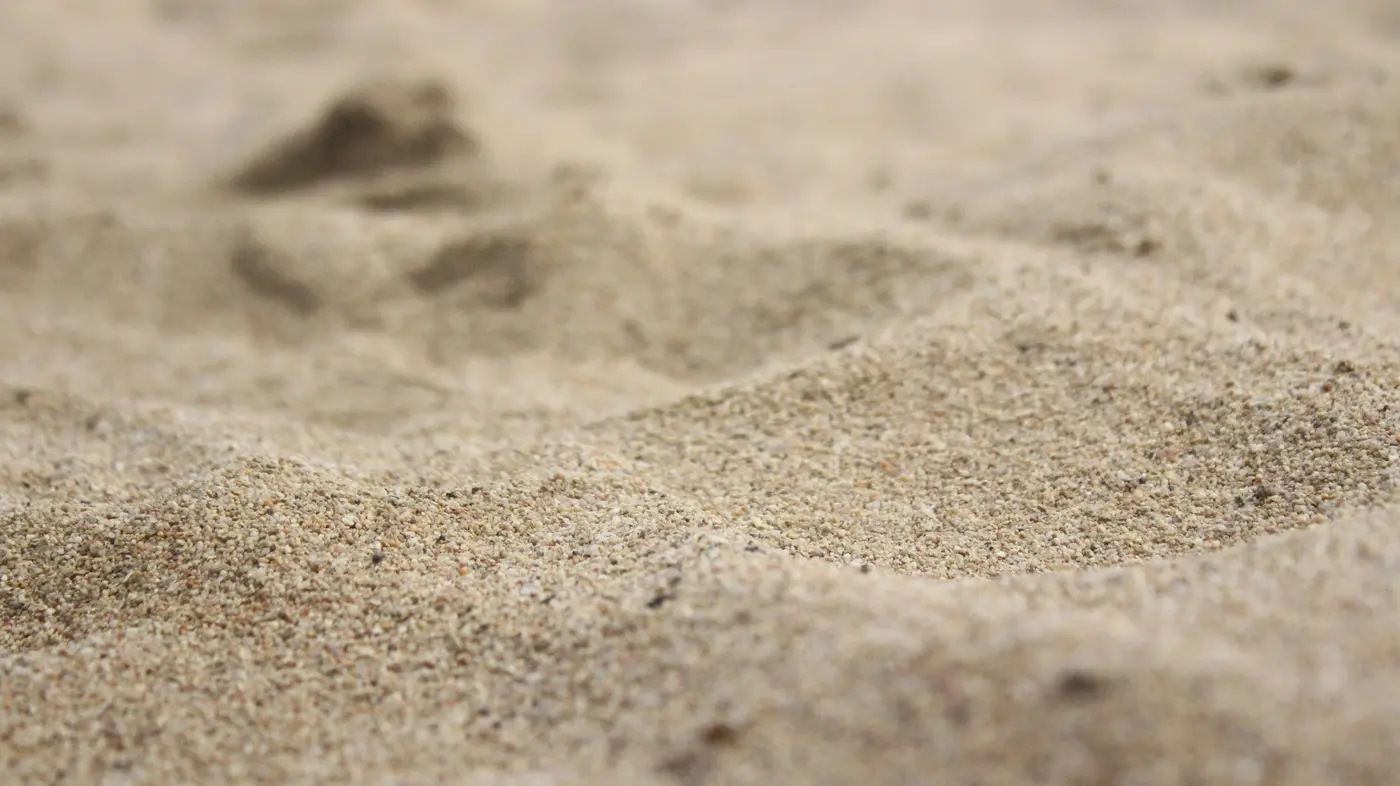
Silica sand, sodium carbonate, limestone and cullet (crushed recycled glass) are precisely weighed and then mixed. Cullet lowers the melting temperature and therefore the energy consumed. Algeria has deposits of silica sand and abundant natural gas, the two key resources for glass.
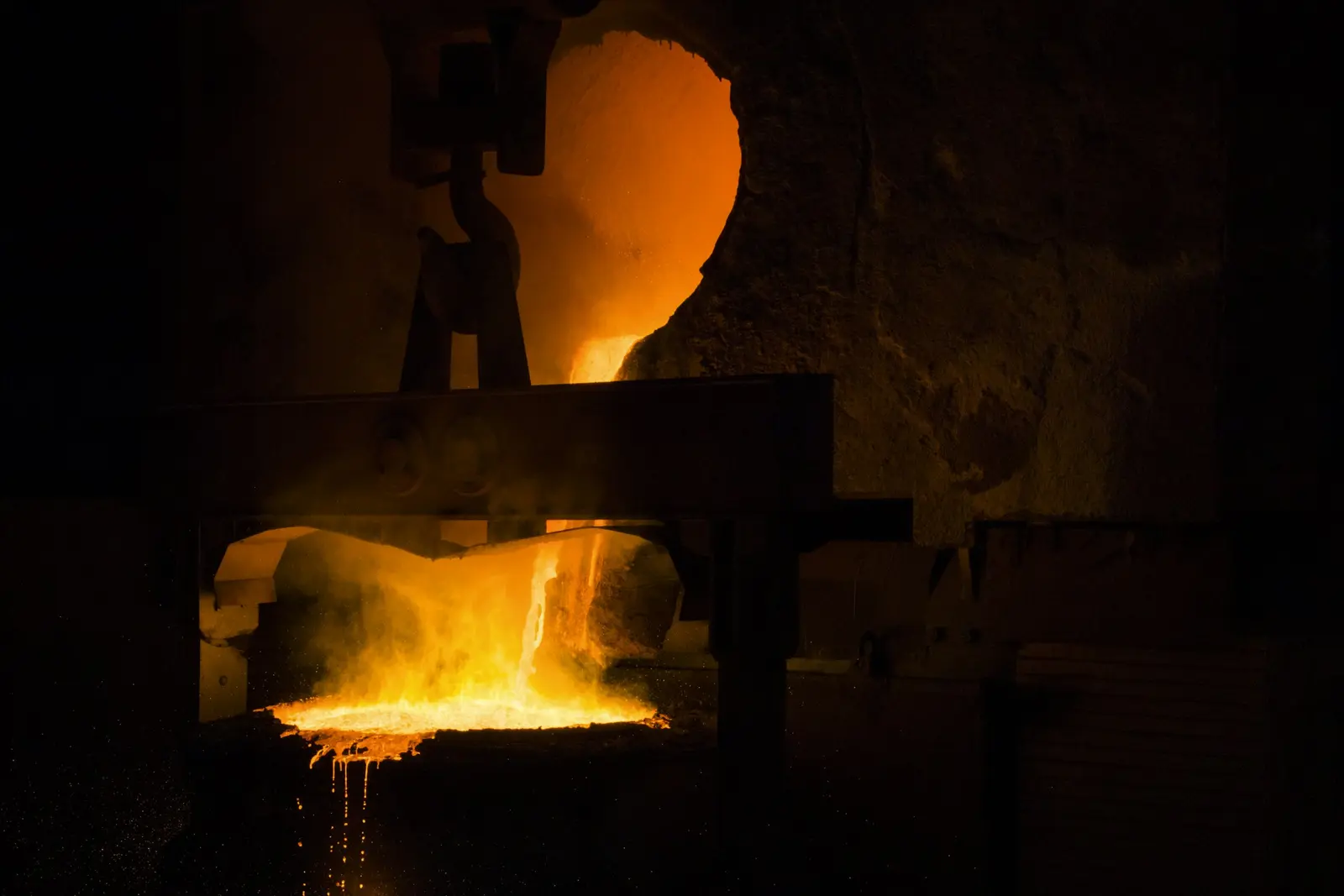
The furnace at over 1,500 °C
The batch is fed into the furnace continuously. At over 1,500 °C it becomes liquid glass and is refined: bubbles rise and the melt becomes homogeneous. A furnace runs without interruption, 24 hours a day, throughout its campaign.
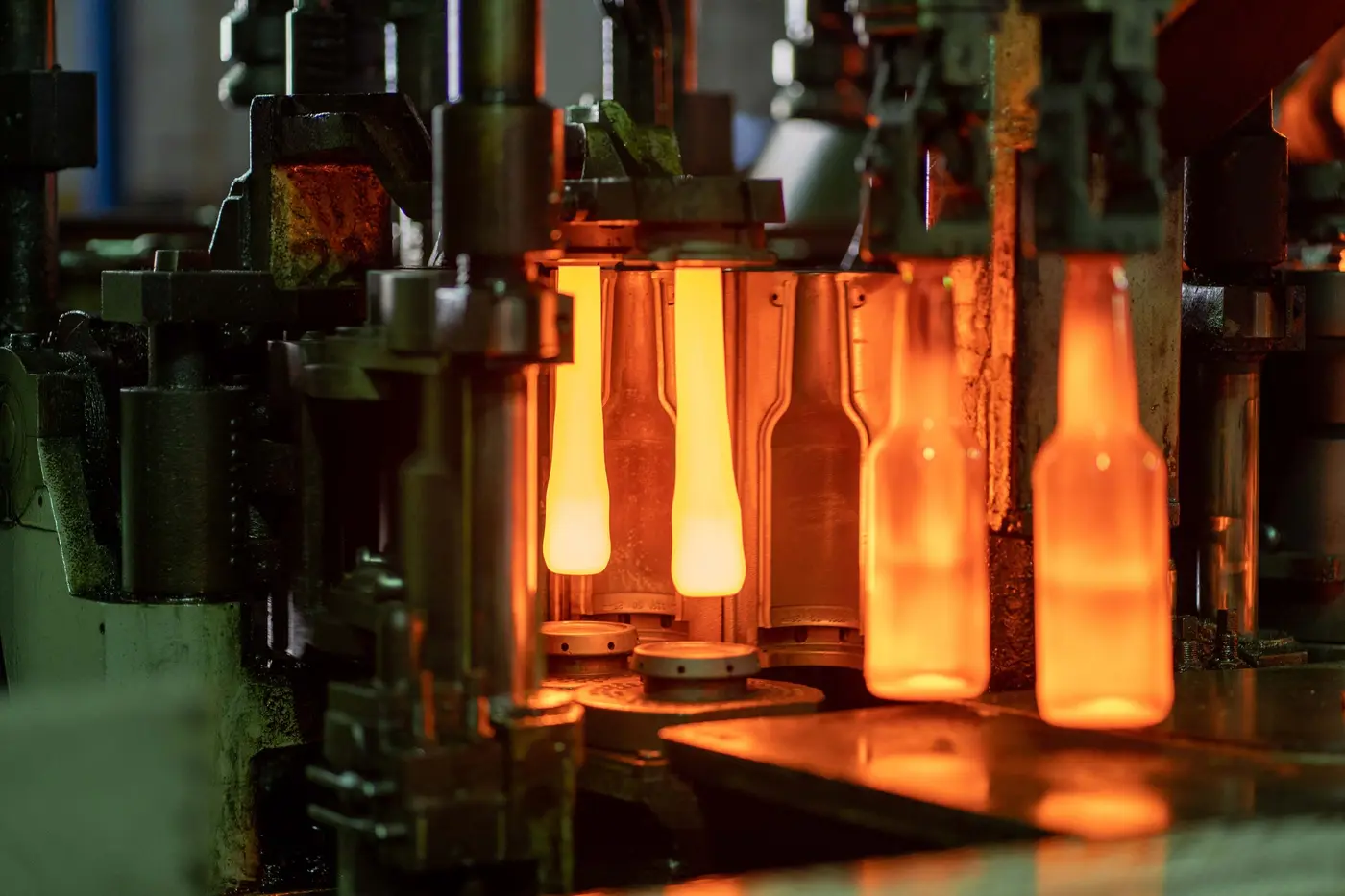
The gob becomes a jar or a bottle
The glass is cut into calibrated gobs, which drop into the moulds of an individual-section IS machine. Wide-mouth jars are formed by press-and-blow, narrow-neck bottles by blow-and-blow. The weight of each gob sets the capacity of the container.
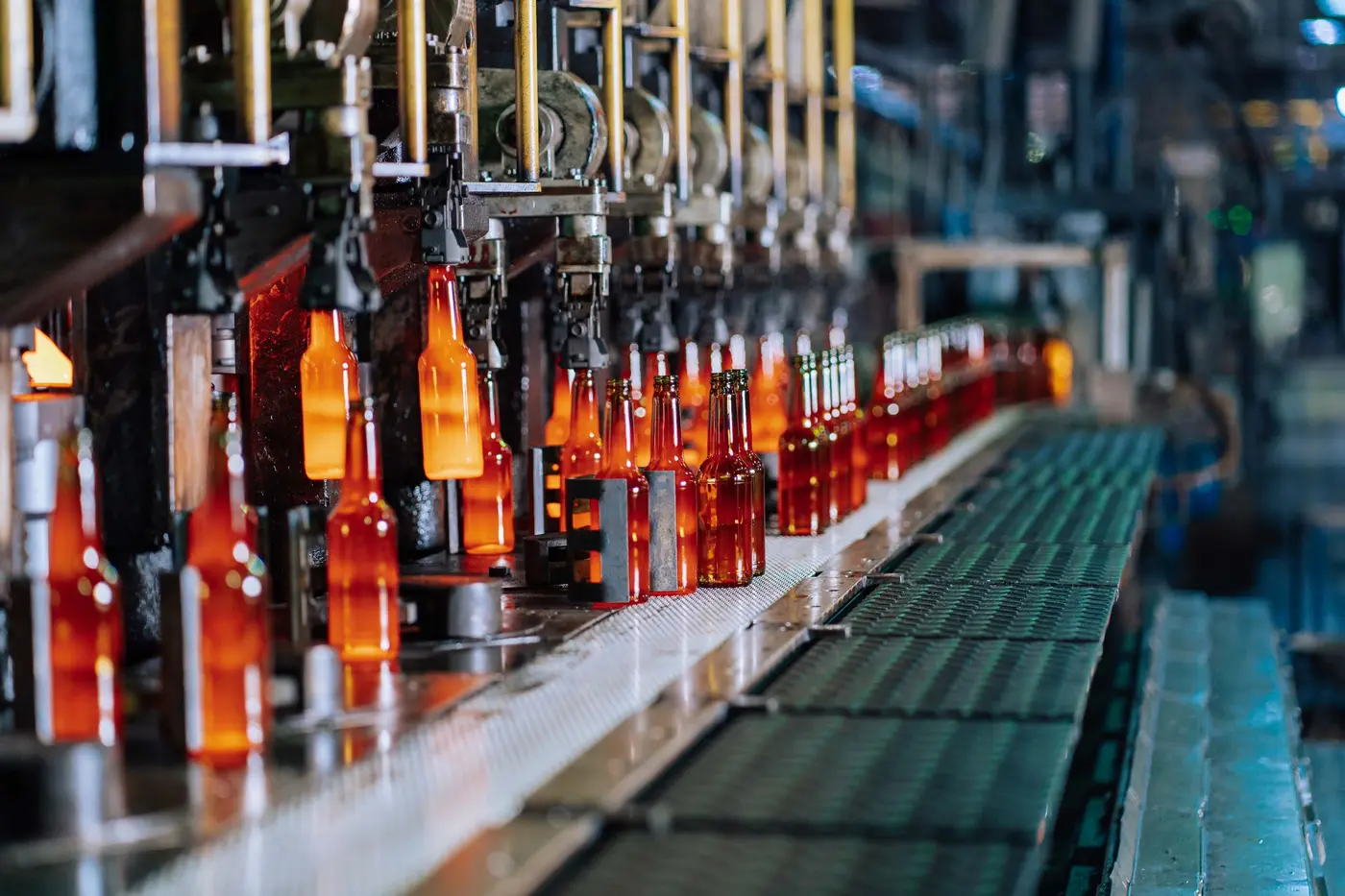
Controlled cooling
On leaving the moulds, the containers receive a hot-end surface treatment and then pass through the annealing lehr: reheated to around 580 °C, they cool slowly. Internal stresses are relieved, and the glass becomes resistant to impact and temperature changes.
Inspection, piece by piece
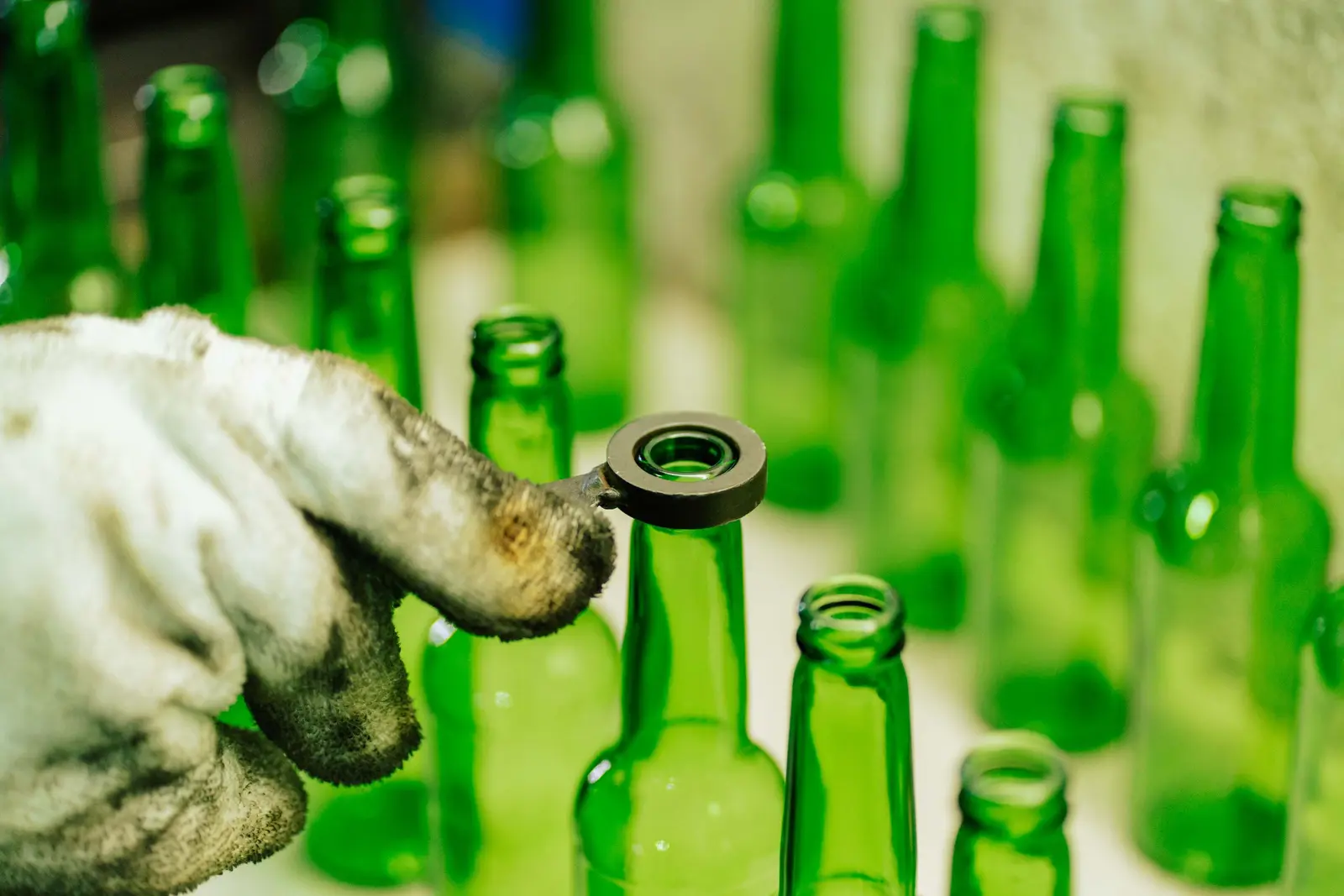
A cold-end treatment protects the surface, then every container passes through inspection systems: glass defects, dimensions, finish, wall thickness. Samples are sent to the laboratory to measure capacity and resistance to pressure and thermal shock.
Ready for your automated lines
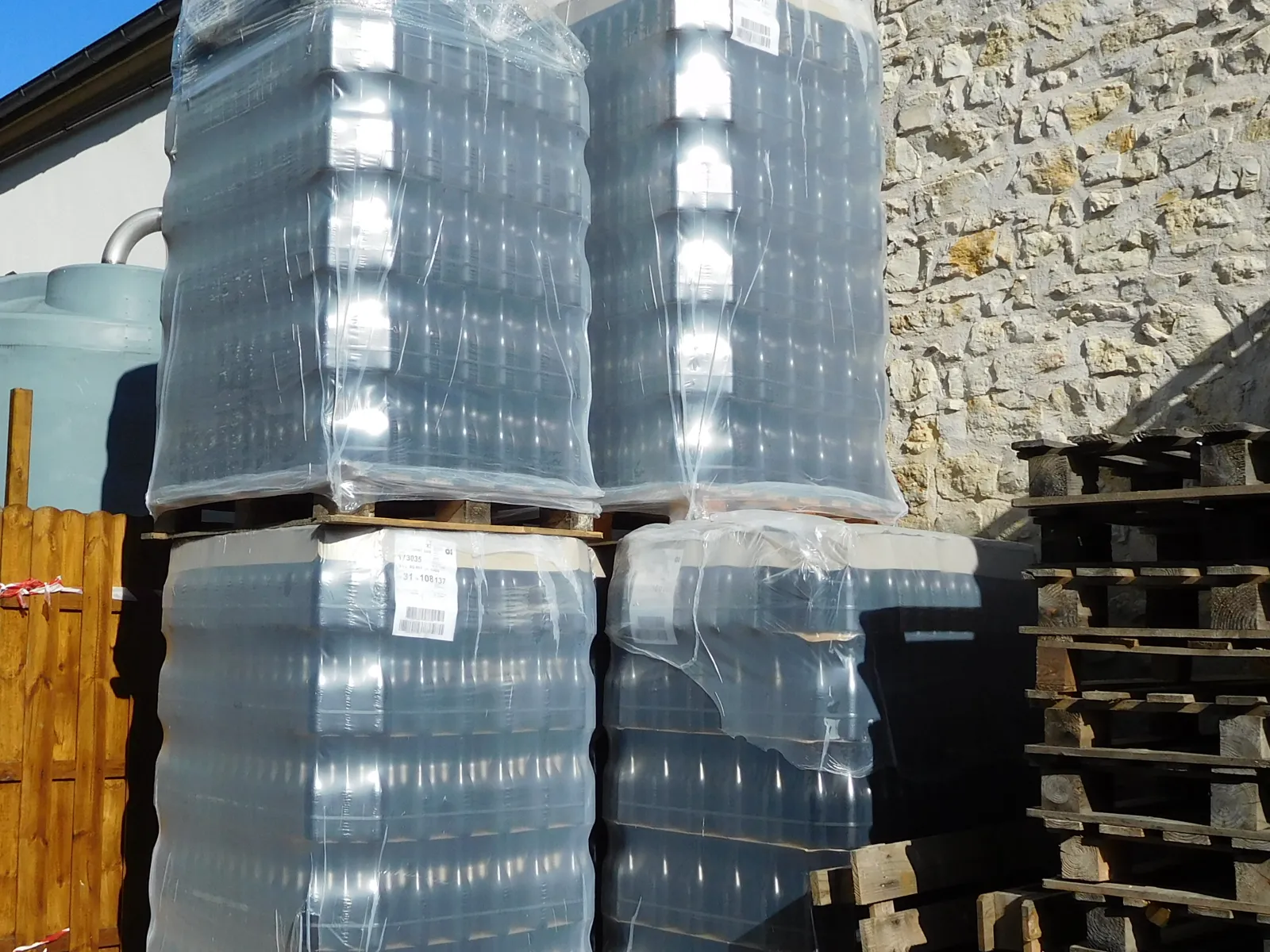
The containers are delivered as palletised bulk glass: upright, tightly packed in layers, each layer resting on a tier sheet, the pallet stretch-wrapped. This is the format automated lines are built for: the depalletiser lifts a whole layer in one move, by vacuum, and transfers it onto the conveyor. Each reference has its own palletisation plan: pieces per layer, layers per pallet, dimensions and weight.
From the factory to your loading dock
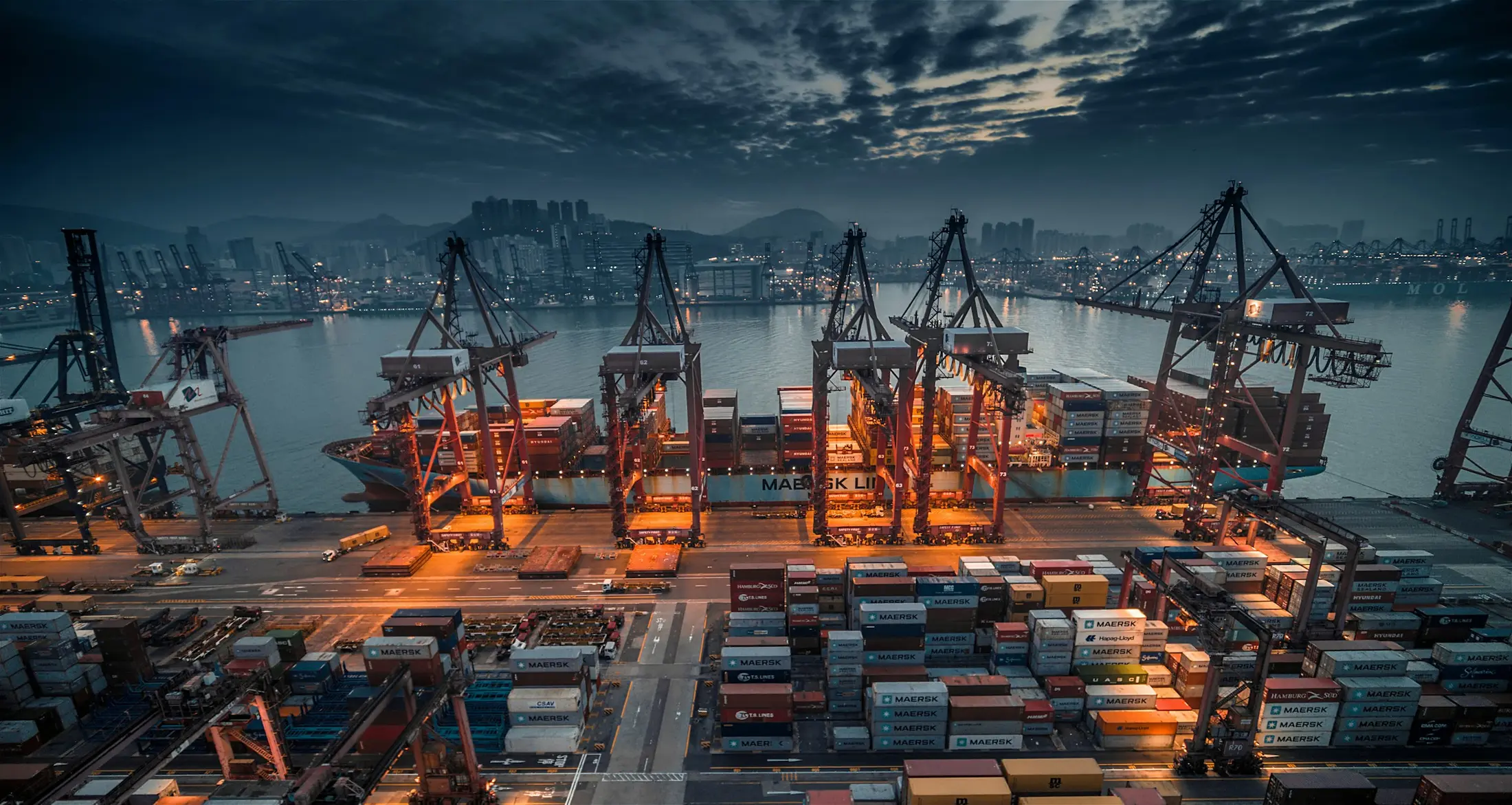
CFStream organises transport: loading by truck or container, crossing the Mediterranean to Europe, sea and land routes to Africa, origin documents and customs clearance. You receive pallets, not a logistics file.
Consistency
A furnace never stops. Neither does your supply.
Continuous production delivers consistent runs: same colour, same weight, same finish dimensions from one delivery to the next. That is what keeps your filling and capping lines running without readjustment.
What you can require
The checks that matter to a packer.
Capacity and weight
Usable capacity and weight in line with the catalogue, within the tolerances of the technical data sheet.
Finish
Tightly controlled twist-off finish dimensions: the cap closes, the vacuum holds, the consumer opens it without forcing.
Strength
Thermal shock resistance for hot filling and pasteurisation, and internal pressure resistance.
Food contact
Food contact declaration of conformity available on request, together with the reference's technical data sheet.
Samples and technical data sheets
Test our containers on your line.
Request the technical data sheet, the palletisation plan and samples of the references you are interested in.