
Why Algeria
Glass from across the sea, not from the other side of the world.
Close to Europe and open to Africa, Algeria brings together what a producer expects from a glass source:
Proximity, duty-free access and production independent of the crises shaking the European market.
01 · Proximity
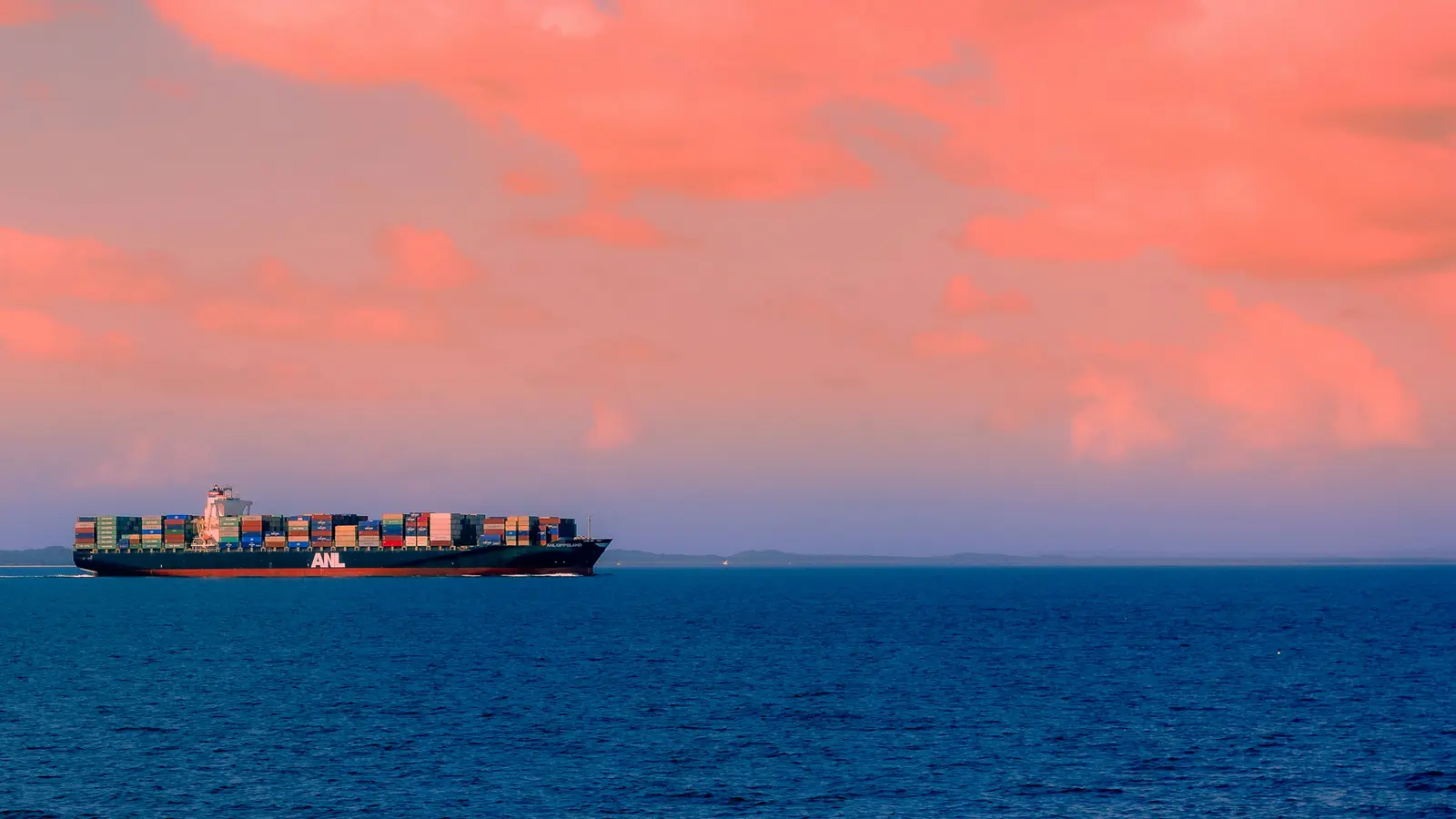
A crossing, not a voyage around the world.
Algerian ports are linked to Marseille and Valencia in 24 to 48 hours by sea, to Genoa and Thessaloniki in 48 to 72 hours, and a Marseille–Djen Djen ro-ro line has been running since September 2025.
- Short lead times: less safety stock to finance, fast replenishment.
- No detour via the Red Sea or the Cape of Good Hope.
- Less distance travelled than a container from Asia, with transport emissions reduced accordingly.
02 · Duty-free
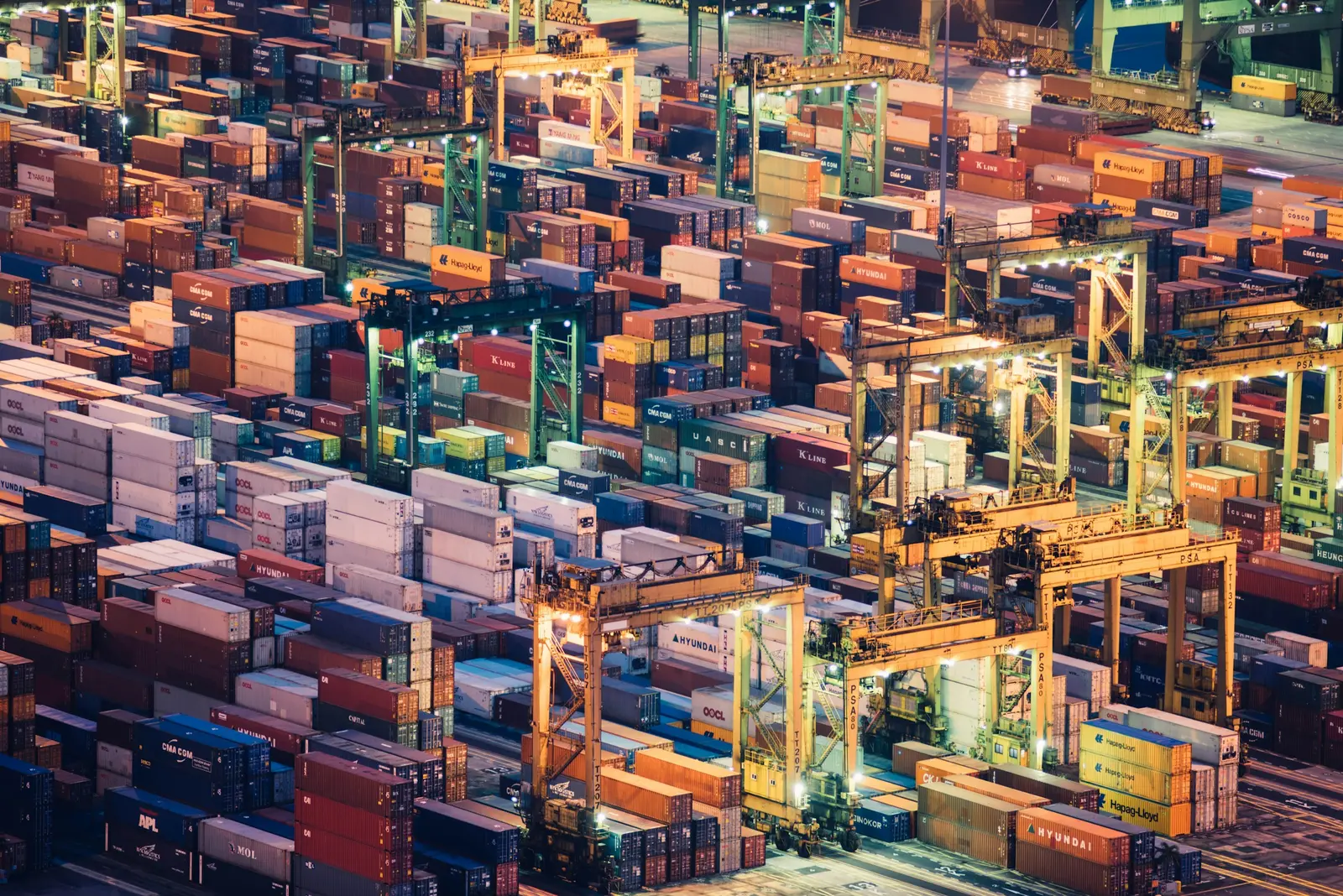
0 % customs duty, with an EUR.1.
The Association Agreement between the European Union and Algeria, in force since 1 September 2005, exempts glass containers (tariff heading 7010) of Algerian origin from customs duty.
The standard rate, applied in particular to glass of Chinese origin, is 5 %.
- A direct saving on the customs value of every delivery.
- Origin documents prepared by CFStream: EUR.1 certificate or origin declaration, as applicable.
- Regulatory monitoring: we keep you informed of any change to the agreement.
03 · Resilience
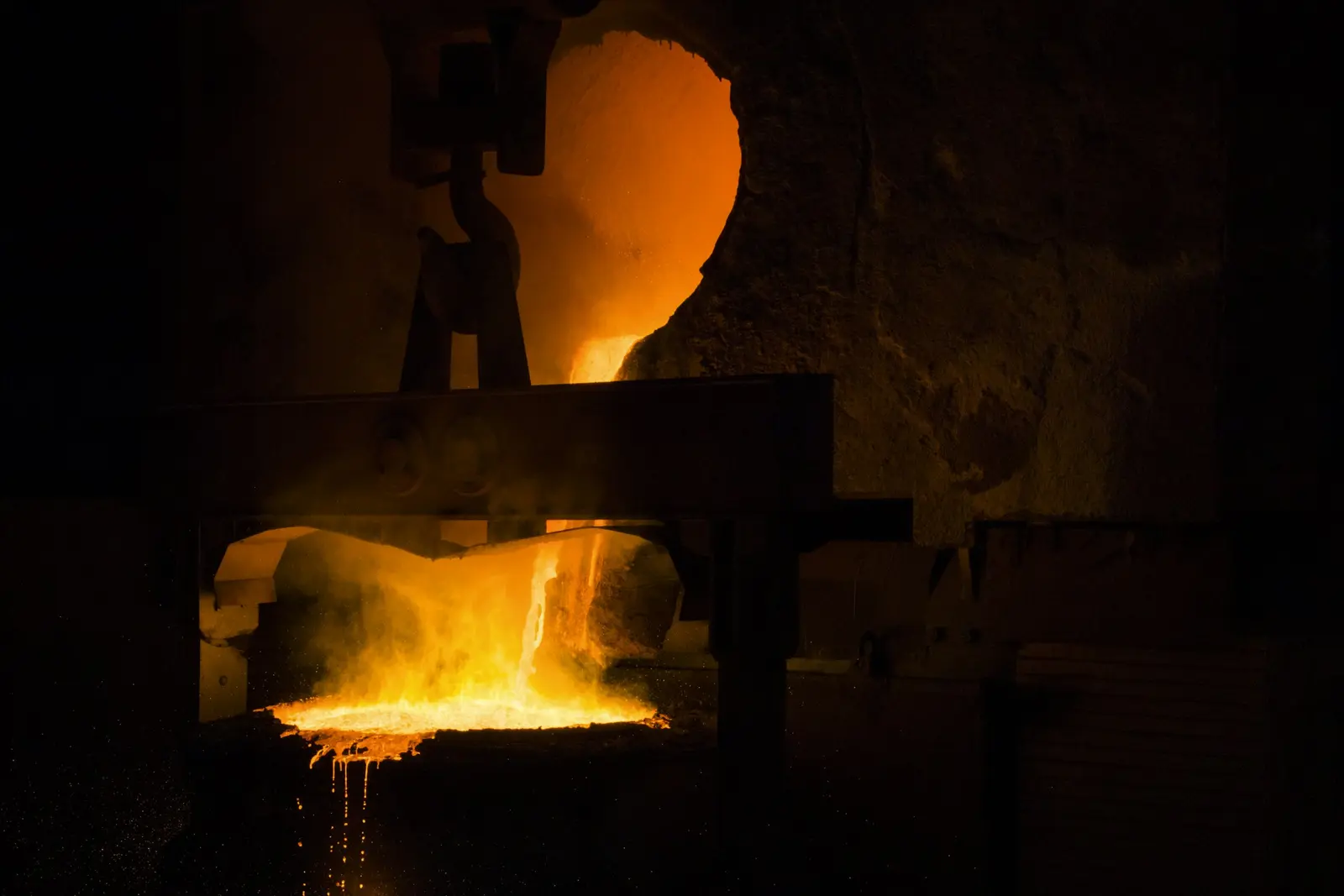
A second source outside European crises.
Between 2021 and 2023, the energy crisis sent glass prices soaring in Europe:
Increases of 25 to 40 % in France depending on the range, unfulfilled orders, small producers served last. Since then, furnaces have closed in Europe and, in 2026, gas prices jumped again amid tensions in the Middle East.
- Production in a natural-gas-producing country, outside the European energy market.
- Local raw materials: Algeria has deposits of high-purity silica sand.
- Simple diversification: keep your current supplier and add a Mediterranean source.
04 · Gateway to Africa
Direct access to the African continent.
Algeria has been trading under the African Continental Free Trade Area (AfCFTA) since 1 November 2024 and applies the Greater Arab Free Trade Area (GAFTA).
The trans-Saharan highway already links the country to Niger, and shipping lines serve West Africa.
- A corridor studied for each destination, by sea or by land, depending on current reliability.
- The documents required by the destination country, prepared before departure.
Compare
Three ways to buy glass, one sound compromise.
For a mid-sized European producer, here is how the main sources of glass containers compare.
| Criterion | CFStream · Algeria | European glassmaker | Import from Asia |
|---|---|---|---|
| Transport to Europe | 24 to 72 hours by sea to Marseille, Valencia, Genoa or Thessaloniki | By road, within the continent | Several weeks at sea, exposed to the Red Sea |
| EU customs duty | 0 % with proof of origin | None (internal market) | 5 % (standard rate) |
| Exposure to European energy | Production outside the European gas market | Direct: increases passed on in 2022–2023 | Low, but volatile freight |
| Priority given to SMEs | Dedicated contact, planned volumes | Variable in times of shortage | Minimum volumes often high |
| Point of contact | French company, in French | Direct or distributor | Agent or platform, remote |
| Access to Africa | AfCFTA, by sea or by land | Conventional export | Conventional export |
Delivered cost
What does your glass really cost delivered?
Send us your formats and volumes: we will compare with you the delivered cost to your site, duty and transport included.